Important to know!
Export customs clearance certifies the definitive export of goods from the territory of the European Union, primarily confirming the VAT exemption for product exports. It may also serve to certify a contractual transaction, with both administrative and physical goods inspection aspects.
In earlier years, export customs clearance was characterised by faster processing times and required less preparation than the more complex import direction. However, recent global political events, the transformation of trade trends, and the introduction of sanctions measures regarding destination countries now require considerably more attention, research, and preparation on the part of exporters.
When can we process customs clearance?
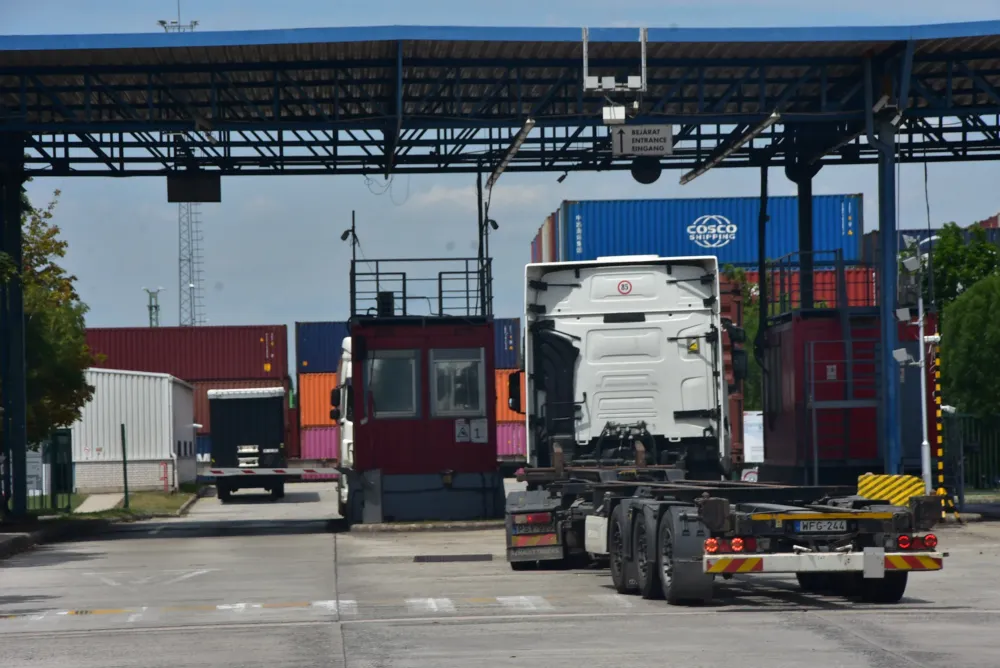
The prerequisite for initiating export customs procedures is that all required documents are submitted to our team. After review, the electronic customs declaration is prepared and submitted to NAV. A successfully completed customs procedure takes place at multiple locations: the customs office at the loading point carries out the inspection and related administration, while the final exit of the goods from the EU is effected at the Union's border — this concludes the procedure. It is important to note that contractual and tax exemption rules only apply if the exit is verifiably confirmed.
Regarding the destination country of export goods, foreign trade parties provide each other with preferential treatment linked to certificates of origin. In addition to export customs clearance, we can issue EUR.1 movement certificates, and A.TR preferential trade documents for Turkish shipments.
How does customs clearance work?
- Clarify the representation status: a properly completed and signed customs authorisation is the basis for every customs clearance. The signatory must be the authorised representative of your company.
- All supporting documents must be submitted. Generally always required: commercial invoice, packing list, bill of lading. If an origin certificate is to be issued (EUR.1, A.TR), supporting origin documentation must also be provided.
- Under trade policy measures and sanction regulations affecting foreign trade, exporters must assess the link between the destination country and the tariff classification of the goods. If the combined conditions create a restriction, specialist authority permits, foreign trade contracts, and certificates with required content must also be submitted for the export clearance.
- Completion and submission of the customs declaration: all customs procedures are electronic. The declaration is received by the directorate and assessment begins.
- Documentary and physical inspection: if inspection is required, it is carried out through document submission or physical examination. The shipment awaits the completion of inspections.
- Release of the goods, whereupon the shipment receives an MRN reference number. An accompanying document (KKO) is printed to ensure safe administration and exit processes. If an origin certificate (EUR.1) or customs union certificate (A.TR for Turkish exports) is required, this is handed to the driver.
- Exit at the EU border: this is generally handled by the driver at the exit border crossing point. We can only assist with the administration of export consignments leaving through Budapest Liszt Ferenc International Airport.
Important information and good to know!
For organisational reasons, the movement certificate (EUR.1, A.TR) accompanying the goods may not be prepared or may be lost during transit. Since the recipient can only use the certificate in original form to claim tariff preferences, we are able to issue copies or retrospective versions under the legal provisions, upon separate authorisation.
During border customs handling, it may occur that due to unfavourable administrative circumstances, the exit confirmation of the shipment is not recorded in the customs authority's information systems, even though the goods have already been unloaded at the destination. In such cases, the appropriate certification for contract and VAT exemption purposes will not be available. We have solutions for such cases — please contact our colleagues.